Using Recycled Materials for Eco-Friendly Home Construction
The construction industry has seen a growing interest in approaches that aim to reduce resource consumption and waste. Among the strategies gaining attention is the use of recycled materials in home building. This method involves incorporating materials that have been recovered, reprocessed, or repurposed from previous uses. The focus is not only on the environmental benefits but also on the practical aspects of sourcing, processing, and integrating these materials into new structures.
Builders and homeowners exploring this path often consider options such as recycled steel, reclaimed wood, and crushed concrete. Each of these materials comes with its own set of characteristics, supply chains, and considerations. Understanding how they can be used in residential construction helps in making informed decisions that align with broader sustainability goals without assuming specific outcomes.
This article provides an overview of these recycled materials, their applications, and the factors that influence their selection. The discussion emphasizes the processes and contexts involved, rather than promising fixed results or universal advantages.
Recycled Steel in Structural Applications
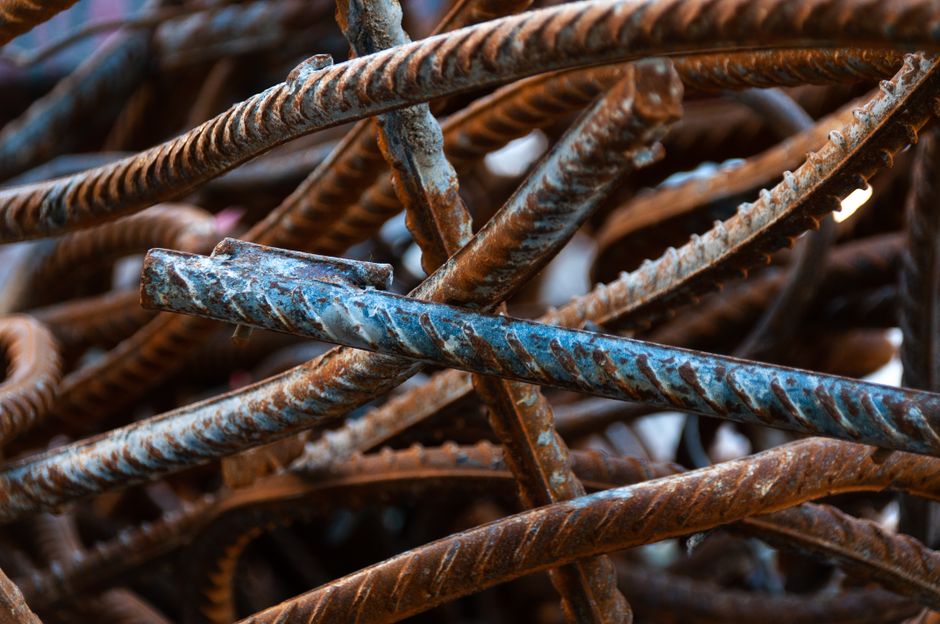
Recycled steel is produced by melting down scrap steel from sources such as old vehicles, industrial equipment, or demolished structures. The resulting material retains the strength and durability of virgin steel, making it suitable for a range of structural uses, including framing, roofing, and reinforcement. The production of recycled steel typically requires less energy compared to manufacturing steel from raw iron ore, which contributes to lower overall emissions during manufacturing.
In residential construction, recycled steel can be used for beams, columns, and wall framing. It is also common in the form of steel studs for interior walls. Builders may choose recycled steel for its dimensional stability and resistance to pests, fire, and moisture. However, the decision to use recycled steel involves considerations such as local availability, transportation costs, and compatibility with existing building systems. Not all steel products contain recycled content, so verifying the percentage of recycled material in the supply chain is part of the sourcing process.
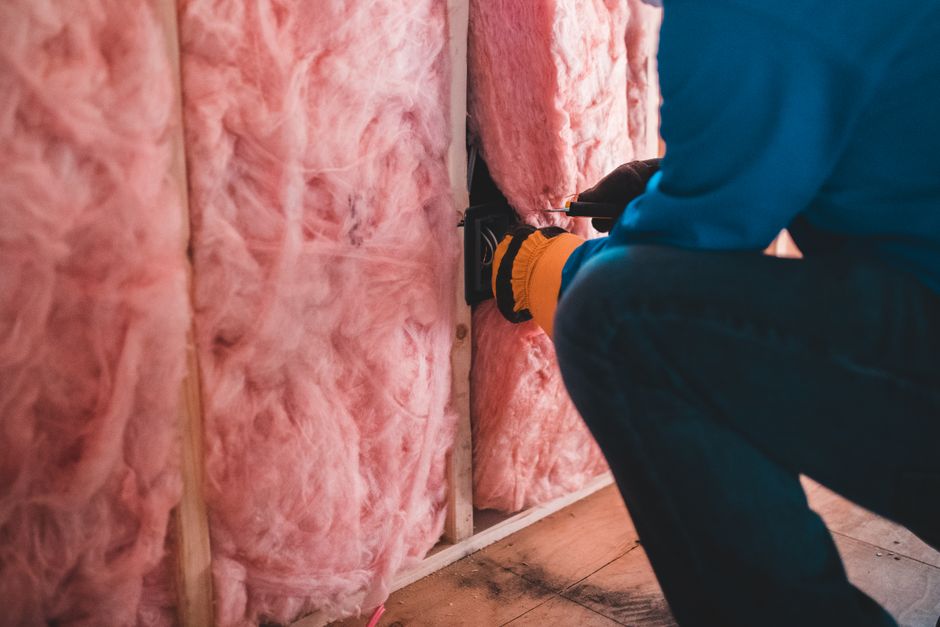
From a design perspective, steel requires careful detailing to address thermal bridging and condensation. Insulation strategies must account for the material’s high thermal conductivity. Additionally, connections and fasteners need to be compatible with steel to avoid galvanic corrosion. When these factors are managed properly, recycled steel can serve as a reliable component in a building’s structure.
Reclaimed Wood for Character and Structure
Reclaimed wood refers to timber that has been previously used in buildings, ships, barns, or industrial settings and is then recovered for reuse. The sources vary widely, from old-growth forests that were harvested decades ago to deconstructed structures in urban areas. Each piece of reclaimed wood has a unique history, grain pattern, and weathering that can add aesthetic value to a home.
In construction, reclaimed wood is used for flooring, paneling, beams, and trim. It can also be employed structurally if properly graded and treated. One of the main considerations with reclaimed wood is its structural integrity. Wood that has been exposed to moisture, insects, or old fasteners may have hidden damage. Therefore, it is common practice to inspect, clean, and re-mill the wood before use. Some suppliers provide reclaimed wood that has been kiln-dried and treated to meet building code requirements.
Another factor is the potential for contaminants. Old wood may contain lead paint, creosote, or other residues depending on its prior use. Testing and remediation are part of responsible sourcing. Despite these challenges, reclaimed wood offers a way to reduce demand for newly harvested timber and preserve the carbon stored within the wood. The environmental benefits depend on the distance the wood is transported and the energy used in processing. Local sourcing can help reduce the overall impact.
Crushed Concrete as Aggregate and Base Material
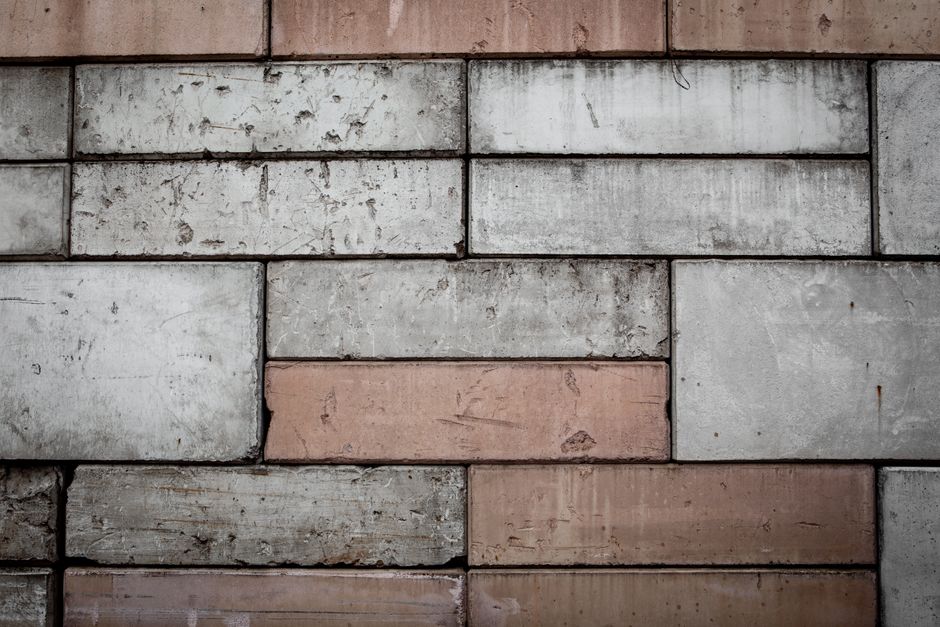
Crushed concrete is produced by recycling concrete from demolished pavements, foundations, and other structures. The material is crushed to specific sizes and can be used as an aggregate in new concrete or as a base course for driveways, walkways, and patios. Using crushed concrete reduces the need for quarrying natural stone and decreases the volume of waste sent to landfills.
In home construction, crushed concrete is most commonly applied beneath slabs or as a sub-base for asphalt or pavers. It provides a stable, well-draining foundation when compacted properly. Some builders also incorporate crushed concrete into new concrete mix designs as a partial replacement for virgin aggregate. This practice requires careful quality control, as the recycled material must meet strength and durability specifications.
The cost of crushed concrete is often lower than that of virgin aggregate, especially when sourced from local recycling facilities. However, transportation costs and the availability of the material in the desired grade can influence the overall value. Additionally, crushed concrete may contain impurities such as rebar or soil, which need to be removed during processing. When properly graded and certified, it can perform comparably to natural stone aggregate in many applications.
Integration and Design Considerations
Using recycled materials in a home involves more than substituting one material for another. The design and construction process must account for the unique properties and limitations of each recycled option. For example, combining recycled steel framing with reclaimed wood flooring requires coordination between trades and attention to moisture management. Crushed concrete used as a sub-base must be tested for compaction and drainage to meet local building codes.
Building professionals often rely on product certifications and supplier documentation to verify the recycled content and performance characteristics of materials. Organizations such as the Green Building Council and the International Code Council provide standards and guidelines that help ensure these materials are used safely and effectively. In many jurisdictions, recycled materials must comply with the same building codes as virgin materials, which can necessitate additional testing or engineering review.
Another consideration is the long-term maintenance and durability. Recycled steel can be prone to corrosion if not properly coated, while reclaimed wood may require periodic sealing to preserve its appearance. Crushed concrete as a base may settle over time if not adequately compacted. These factors are part of the overall context that influences material selection. The choice to use recycled materials depends on project specifics, local climate, available expertise, and the goals of the homeowner or builder.
Economic and Environmental Context
The use of recycled materials in home construction is often discussed in terms of cost savings and reduced environmental impact. While lower material costs may be possible in some cases, the overall economics depend on factors such as local market conditions, transportation distances, and the cost of labor for specialized installation. For instance, sourcing reclaimed wood from across the country may offset the energy savings from avoiding new timber. Similarly, crushed concrete may be less expensive in regions with established recycling infrastructure but more costly in areas where it must be shipped long distances.
From an environmental perspective, the primary benefit of using recycled materials lies in diverting waste from landfills and reducing the demand for virgin resource extraction. The energy required to process recycled materials is generally lower than that for producing new materials, though this varies by material type and processing method. Lifecycle assessments provide a more complete picture by considering all stages from sourcing to disposal. However, such assessments are context-specific and cannot be generalized to every project.
Ultimately, the decision to incorporate recycled materials into a home should be based on a thorough evaluation of the available options, local resources, and project constraints. There is no single solution that works for all situations. Builders and homeowners are encouraged to consult with architects, engineers, and material suppliers who have experience with recycled building materials. This approach helps ensure that the chosen materials are appropriate for the intended application and that the construction process proceeds smoothly.